Space science
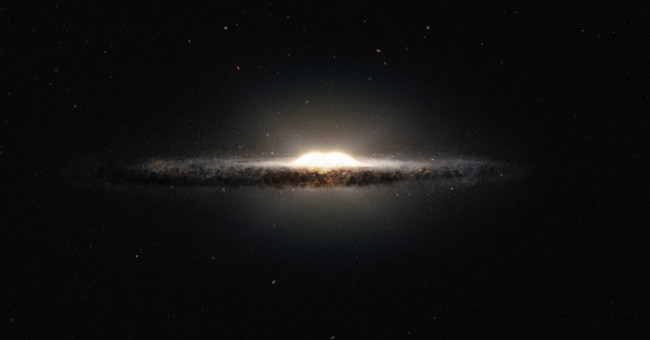
Our Milky Way galaxy is old, there is not enough gas to create a new star
The lifespan of a galaxy is thought to depend on the amount of gas it possesses to form a new star.
Browse ScienceInfo articles and explainers related to Milky Way.
202 published items.
The lifespan of a galaxy is thought to depend on the amount of gas it possesses to form a new star.
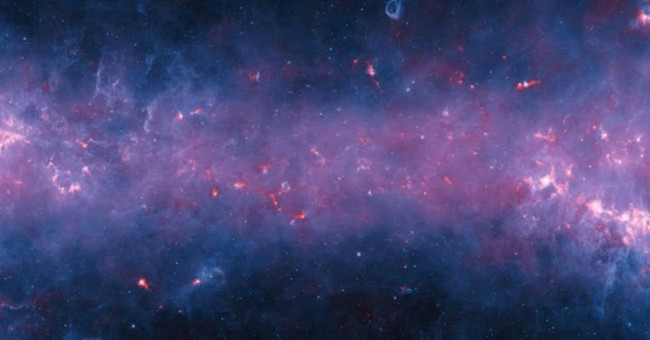
The research team of the Southern European Observatory (ESO) drew a completely new map of the Milky Way, four times larger than every previous map with 187 million pixel…
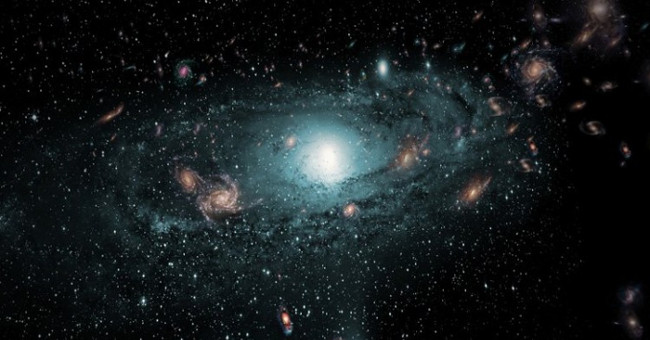
Astronomers discovered hundreds of new galaxies after using radio waves to see through the Milky Way's star system and dust.
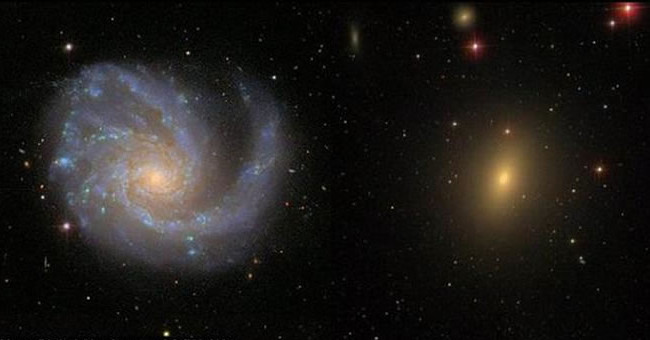
Scientists claim that the Milky Way where we live actually died billions of years ago because ... hungry.

Astronomers discovered super giant structures moving at a speed of 50km / s across our Milky Way, including Earth.
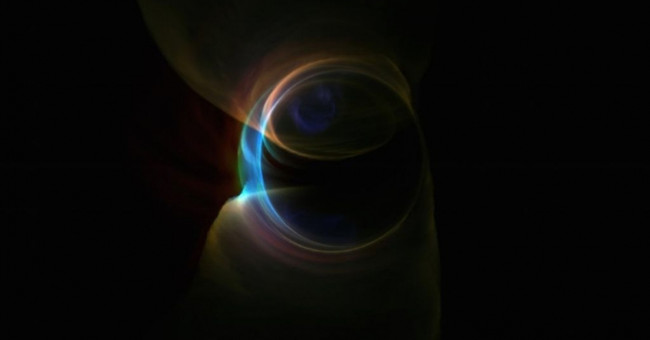
With a system of 9 radio telescopes located in many parts of the world, scientists will for the first time in history capture the image of the supermassive black hole lo…
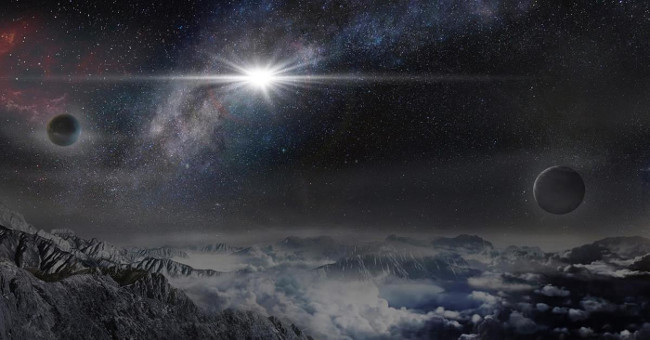
Scientists discovered the most powerful supernova ever with 20 times the brightness of the Milky Way and 570 billion times the Sun.
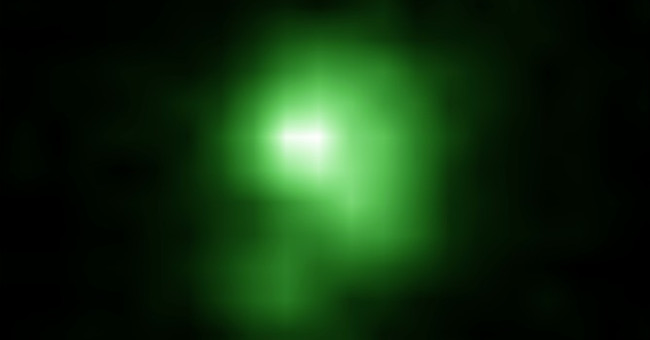
Hubble Space Telescope has just caught sight of a compact planet called J0925. A new planet is like a newly discovered green pea.
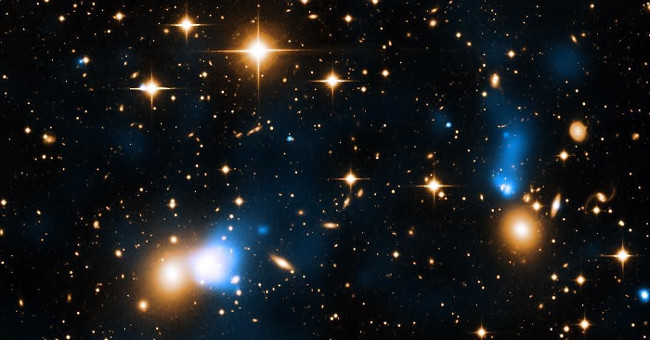
NASA's Chandra Observatory captured the image of a sparkling celestial object: a hot gas stream of 250,000 light-years long.
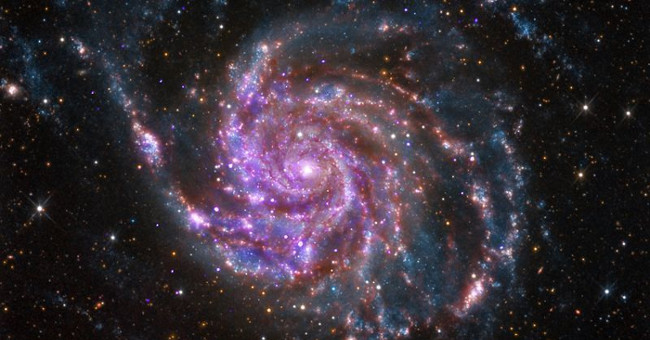
The intelligent life form can exist at star groups at the edge of the Milky Way. This is the result of new astrophysics research published in the annual meeting of the A…
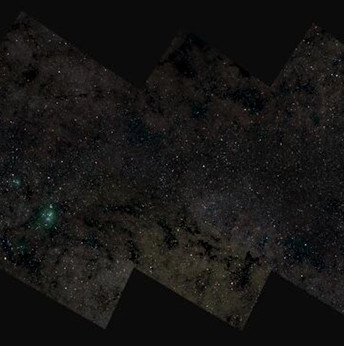
At 46 billion pixels in size and 194 GB in size, this is a photograph of the Milky Way galaxy with the highest resolution that astronomers have ever taken.
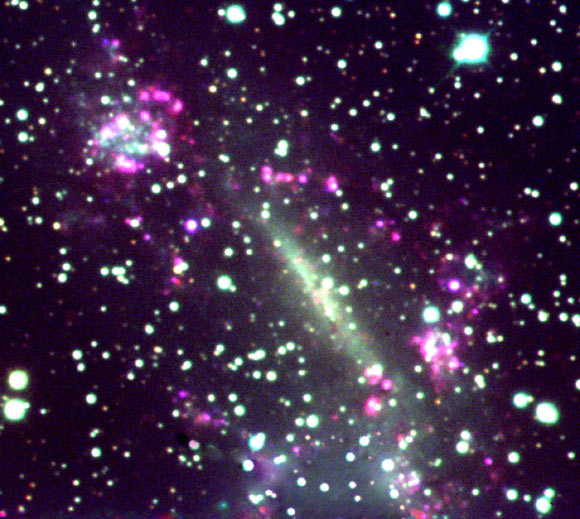
New astronomers discovered a mysterious circle of galaxies near our Milky Way Milky Way so far, only 30 million light-years away.
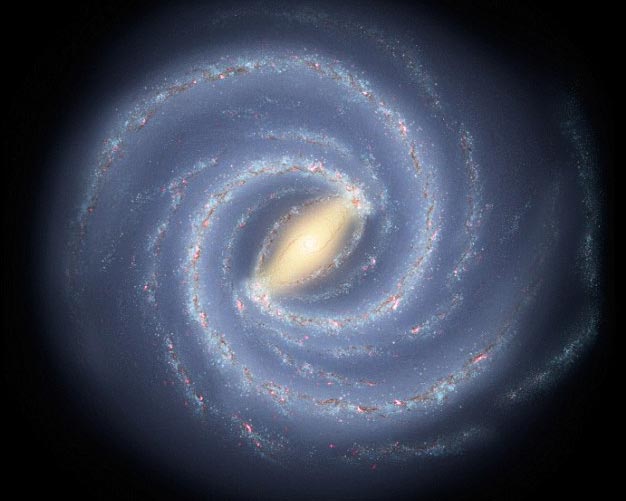
The fastest star in the Milky Way is moving at 1,200 km / s, possibly escaping from the Milky Way in about 25 million years.
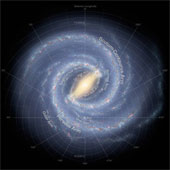
We have many unofficial names for cosmic landscapes. Sometimes they are named after the shape we see, such as the Horsehead Nebula.